






Lorem Ipsum is simply dummy text of the printing and typesetting industry. Lorem Ipsum has been the industrys standard dummy text ever since the ...
FIlter (542 products)
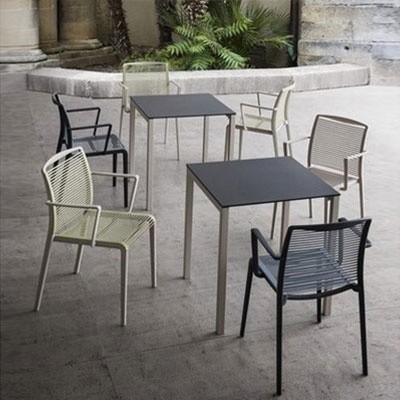
TABLE FOR RESTAURANTS AND BARS
Filter
171 products
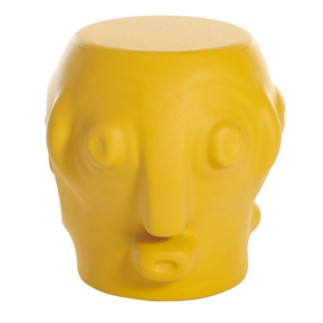
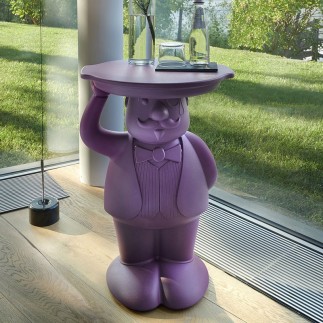
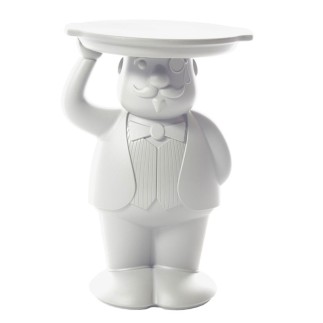
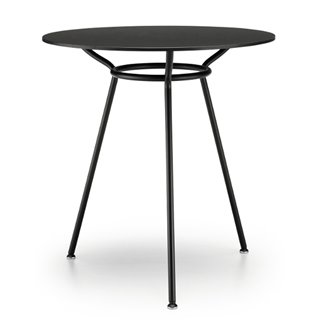
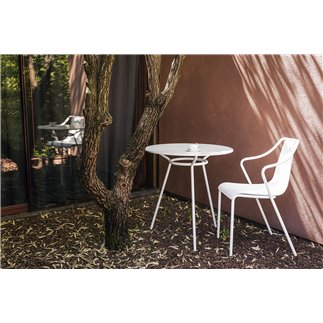
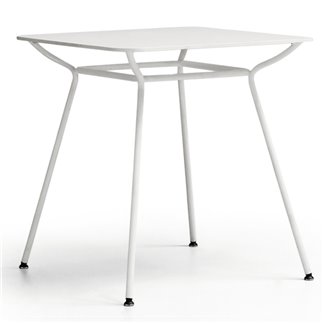
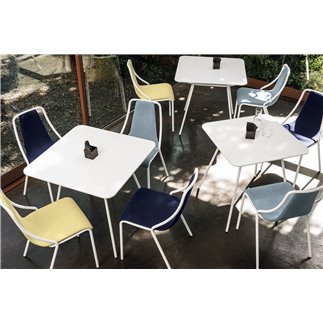
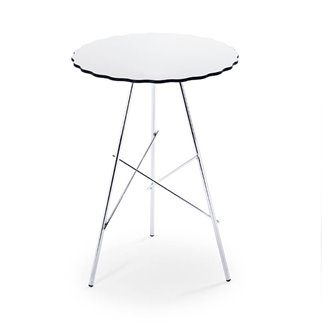
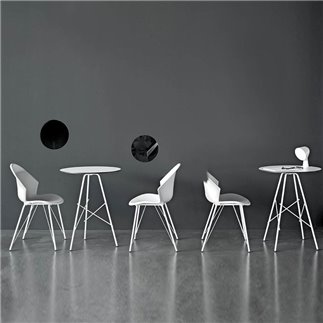
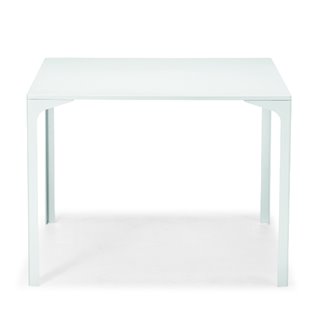
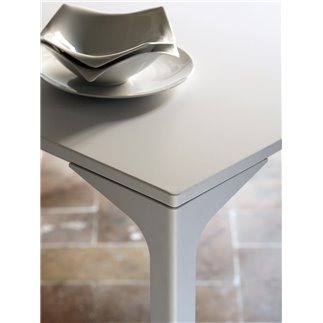
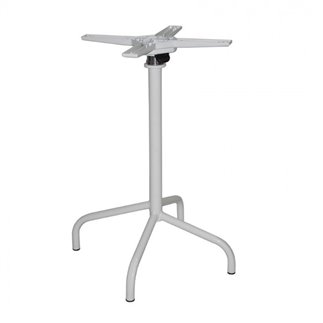
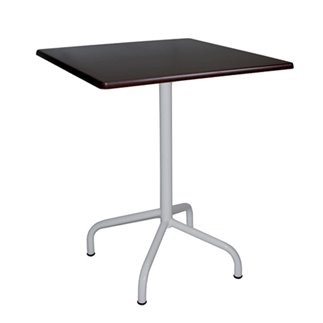
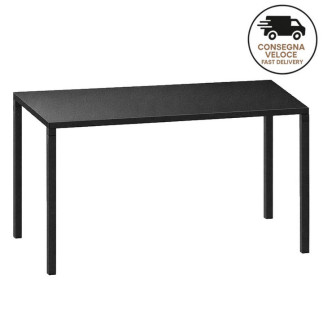
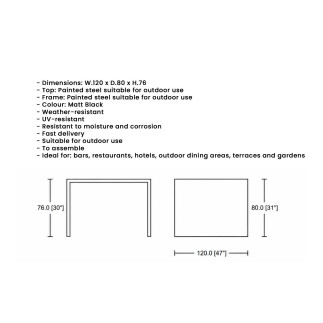
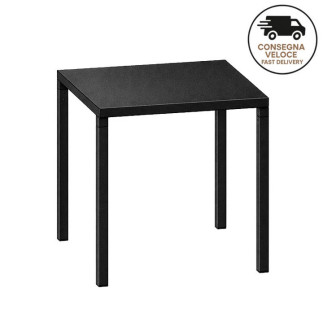
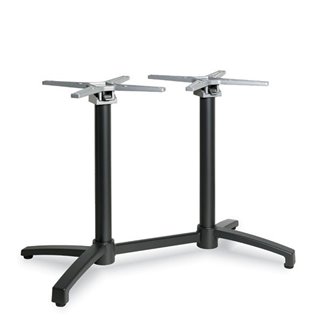
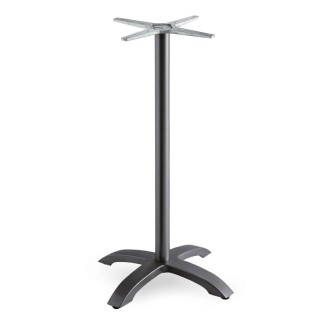
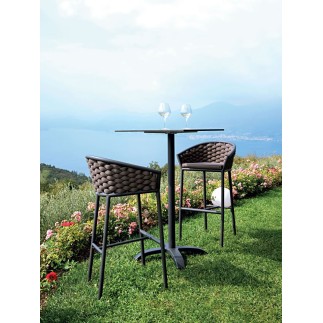
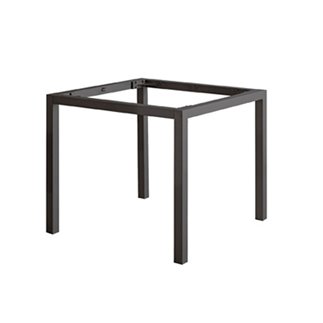
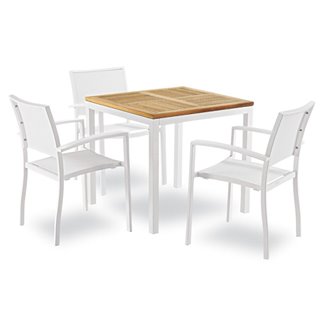
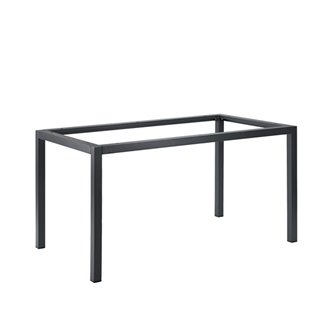
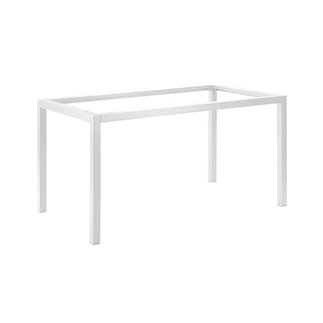
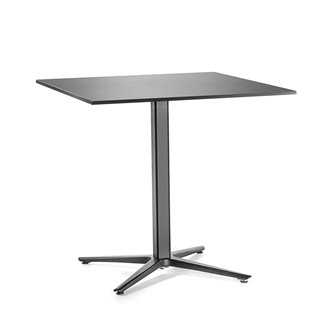
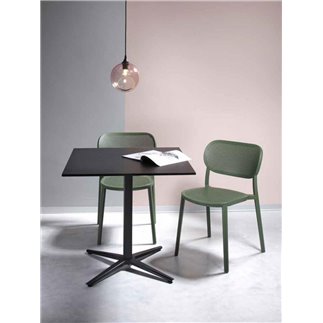
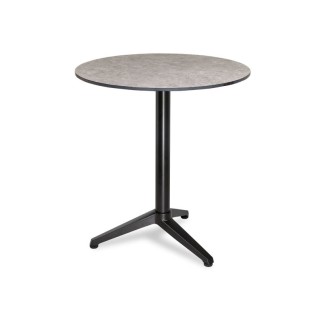
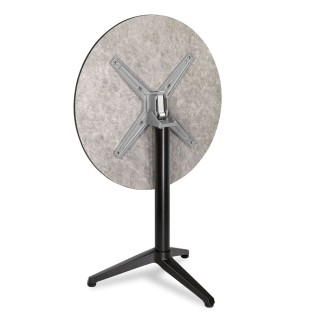
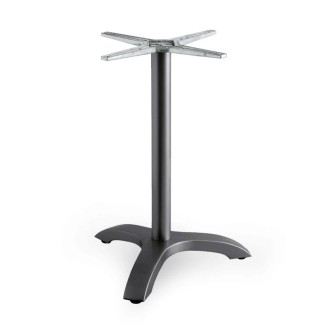
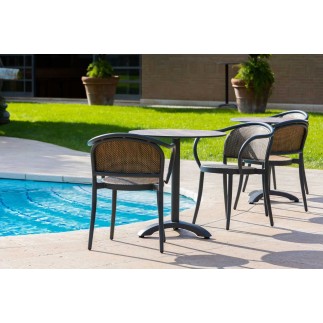
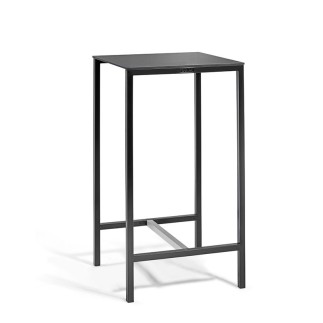
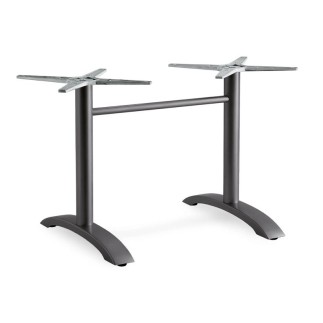
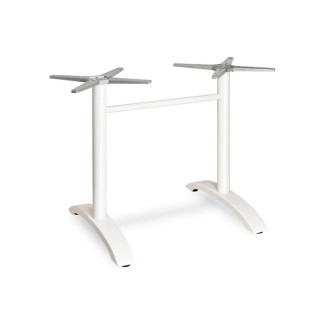
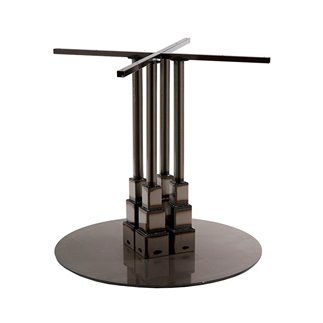
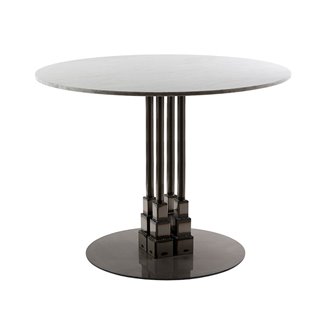
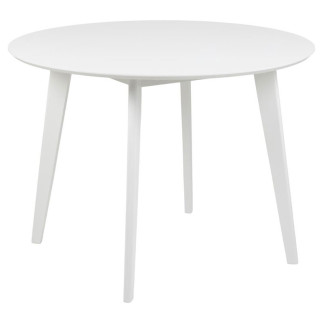
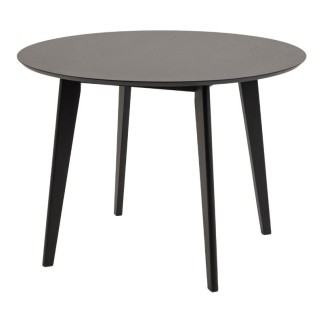
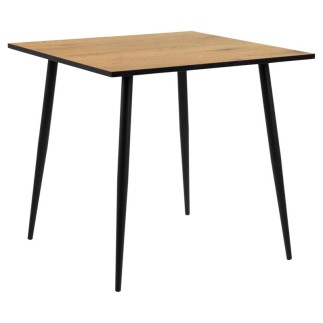
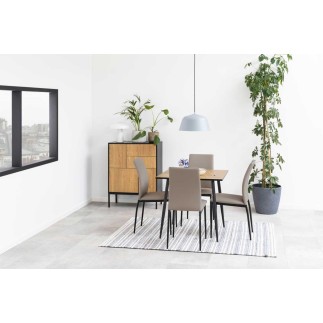
Tables for Restaurants and Bars
Tables for Ho.Re.Ca. and Hospitality Spaces
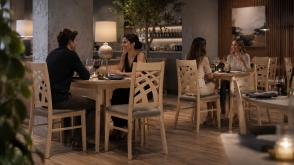
Tables for restaurants and bars are much more than simple pieces of furniture: they define the organisation of the dining area, influence seating capacity, contribute to guests’ comfort and play an important role in the overall aesthetic identity of the venue.
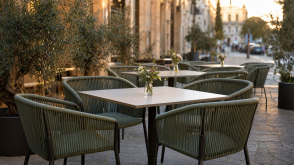
Isarreda offers a selection of tables for bars and restaurants designed to meet the practical needs of restaurants, pizzerias, bistros, cafés, lounge bars, hotels, B&Bs, resorts and hospitality venues.
The range includes complete and configurable solutions available in different sizes, shapes, materials, colours and finishes, with fixed, folding, flip-top or stackable models depending on the specific product. The aim is to make it possible to choose a table not only according to its style, but above all according to how the venue is used every day.
Why Choose Isarreda Tables?
• Customisation: shapes, dimensions, bases, materials and finishes make it possible to adapt each table to the concept and layout of the venue.
• Solutions for Every Ho.Re.Ca. Environment: restaurants, bars, pizzerias, bistros, cafés, hotels, breakfast rooms and hospitality venues.
• Quality for Everyday Use: materials and structures are selected according to the intended use and frequency of use.
• CAM-Compliant Solutions: a wide selection of tables compliant with CAM – Italian Minimum Environmental Criteria.
• Certified Safety and Performance: a selection of furniture with specific strength certifications and, for coordinated seating, products with Italian Class 1IM approval.
Restaurant Tables: How to Choose the Right Table
When furnishing a restaurant, choosing the right tables for the dining area starts well before considering aesthetics.
Tables influence seating arrangements, staff circulation routes, the distance between guests and the ability to modify the room according to reservations.
A restaurant with a large number of two-person tables will have very different requirements from a pizzeria designed for families and larger groups. A bistro may favour compact tables, while a hotel restaurant often needs to manage different configurations for breakfast, lunch and dinner.
This is where table customisation becomes particularly important. Choosing the correct dimensions, shape and configuration makes it possible to optimise the available space without sacrificing comfort. The shape of the table also has a significant impact on the way a restaurant dining room is organised.
Square tables are particularly versatile because they create compact seating arrangements and can be placed side by side when larger groups need to be accommodated.
Rectangular tables are suitable for four or more people and work particularly well in rooms with linear layouts.
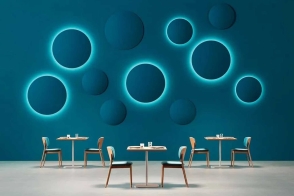
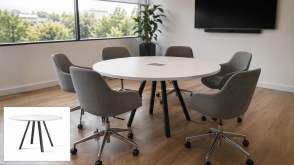
Round tables, on the other hand, encourage conversation and can give the dining room a softer, more dynamic appearance.
There is no single best shape: the right choice depends on the restaurant layout, the average number of guests per table and the level of flexibility required.
Tables for Bars and Cafés
Bar tables have different requirements from those designed for traditional restaurant dining.
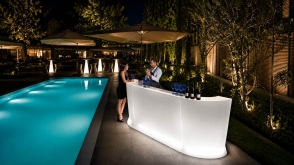
In a café, guests may stay for shorter periods and the available space may be more limited. In a cocktail bar, low tables, standard-height tables and high tables may all coexist. More generally, in venues serving breakfast, practicality and ease of reconfiguration become especially important.
For this reason, the Isarreda range includes tables in different configurations and heights, together with a broad selection of bases. This variety makes it possible to design different areas within the same venue while maintaining a consistent visual identity.
Customisable Tables: Sizes, Materials and Finishes
One of the main advantages of furniture designed for the Ho.Re.Ca. sector is the possibility of configuring products according to the specific project.
The restaurant and bar tables available in the Isarreda catalogue can, depending on the model, be customised in terms of dimensions, shape, tabletop material and colour, type of base and functionality, including stackable tables or models with a flip-top mechanism.
This flexibility is particularly valuable in restaurant projects, where different tabletop sizes may be needed while maintaining the same base and overall design language.
Folding Tables for Restaurants and Bars
Flexibility is one of the most important aspects of managing a dining area.
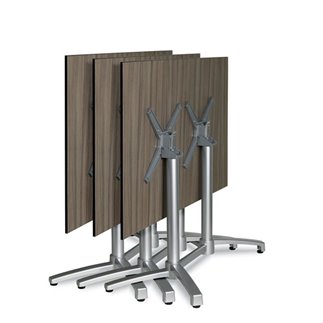
Folding tables for restaurants and bars help reduce space requirements when not in use and are particularly suitable for environments that need to be reconfigured frequently.
The Isarreda catalogue already includes folding bases and tables with mechanisms specifically designed for professional space management. These practical space-saving solutions are particularly useful in reconfigurable restaurant dining rooms, hotel breakfast areas, event spaces and hospitality venues.
Being able to fold the table can simplify operations such as resetting the room and storage.
Stackable Tables for Efficient Space Management
When reducing the amount of occupied space is the main priority, stackable tables are one of the most effective solutions.
Stackability and foldability are not the same thing: a folding table reduces its volume through a dedicated mechanism, while a stackable table is designed so that several units can be placed one on top of another or nested closely together.
For hotels, restaurants with seasonal outdoor areas or event venues, being able to free up floor space quickly when furniture is not required provides a tangible operational advantage.
Quality Tables for Intensive Use
A table used in a restaurant is subjected to very different levels of stress compared with one used in a private home.
It is used every day by different people, moved, cleaned repeatedly and often reconfigured according to the needs of the dining room.
For this reason, when choosing a restaurant table for intensive use, it is important to consider not only aesthetics, but also stability, durability, material quality and ease of maintenance.
For tables intended for non-domestic use, the relevant European technical standard is EN 15372, which sets requirements for safety, strength, durability and stability. CATAS specifically identifies EN 15372 as the reference standard for non-domestic tables.
Compliance must, of course, be checked for each individual product: not every item within a category automatically shares the same certifications.
Tables for Hotels and Breakfast Rooms
Within a hospitality property, tables can be used in many different areas.
In a hotel breakfast room, it is important to organise seating capacity efficiently and make cleaning and resetting operations as straightforward as possible. In a lobby, tables and occasional tables may instead be used for a more informal stay. On a terrace or in a garden, different materials and performance requirements need to be considered.
Hotel tables should therefore be selected according to the specific environment and intended use, rather than solely according to the overall style of the property.
A breakfast room that is also used for events or meetings can particularly benefit from folding, flip-top or easily movable tables.
Tables for B&Bs, Farm Stays and Holiday Homes
Even in smaller hospitality properties, choosing the right table directly contributes to the guest experience.
A B&B may need compact tables for breakfast. A farm stay may require a dining room capable of accommodating larger groups. A holiday home with a terrace may need a table suitable for an outdoor dining area.
In these contexts, versatile and easy-to-manage solutions that fit naturally with the style of the property are especially useful.
The possibility of choosing dimensions, materials and finishes also makes it easier to integrate tables into smaller spaces or interiors with distinctive architectural features.
Tables for Pizzerias and High-Traffic Venues
In pizzerias and venues with a high customer turnover, every centimetre can influence the efficiency of the dining room.
Compact and configurable tables allow layouts to be adjusted according to the number of guests. Two square tables can be placed together to accommodate a group and separated again to create smaller tables.
An effective solution is to combine central table bases with square or rectangular tops, chosen according to the available space.
The physical modularity of the furniture allows restaurant operators to adapt the room more easily to reservations instead of maintaining a rigid layout throughout the day.
Sustainable Tables: Recycled and Recyclable Materials
Sustainability is becoming increasingly important in furniture for the Ho.Re.Ca. sector.
Isarreda selects products made from recycled and recyclable materials or sourced from supply chains with greater attention to environmental impact.
It is important, however, to use these terms correctly: recycled means that a product or one of its components contains materials obtained through a recovery process, while recyclable refers to the possibility of recovering the material at the end of its useful life through specific processes.
A recyclable product is not necessarily made from recycled material, and vice versa.
Fire-Resistant Tables and CAM-Compliant Products
Compliance with CAM – Criteri Ambientali Minimi (Minimum Environmental Criteria) is a key requirement for public procurement and for high-use collective environments.
The Italian Ministerial Decree of 23 June 2022 regulates CAM requirements relating to the supply, rental and extension of the useful life of indoor furniture, incorporating environmental requirements into public procurement procedures.
Compliance with the Minimum Environmental Criteria is particularly relevant when furnishing canteens, public buildings, hospitality environments and spaces connected with public authorities.
It is more accurate to refer to a CAM-compliant product rather than generically calling it a “CAM-certified table”, since compliance is demonstrated through the documentation required by the applicable criteria.
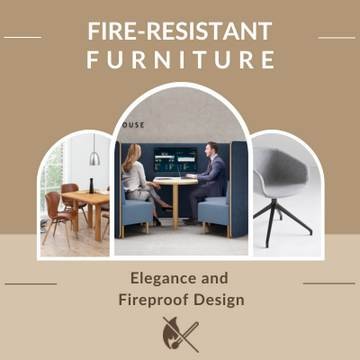
Another feature worth considering is the possibility of selecting tables with fire-resistant tabletops.
These solutions are not particularly widespread and depend heavily on the finish used for the top. Isarreda works with brands that use specific manufacturing processes to produce melamine tabletops with improved fire resistance.
Strength Certifications: Understanding the Relevant Standards
For professionals, it is useful to distinguish standards according to the type of furniture involved.
For tables intended for restaurants, bars and hospitality environments, the relevant European standard is EN 15372, which covers safety, strength, durability and stability.
EN 1335, on the other hand, specifically concerns office work chairs and should not be used as a reference certification for restaurant tables.
Similarly, the former EN 15373 standard concerned non-domestic seating and has since been replaced by the EN 16139 family of standards.
This distinction is important because it allows each piece of furniture to be assessed according to its actual intended use and the relevant technical documentation.
Why Choose Isarreda for a Professional Project?
Choosing Isarreda to furnish a restaurant, bar or hospitality venue means being able to compare tables and components designed to meet very different requirements.
The catalogue includes a broad selection of complete tables, bases, high-table configurations, folding models, flip-top solutions and products for both indoor and outdoor environments, making it possible to approach each project according to what the venue actually needs.
Those furnishing a small bistro may prefer compact tables that can easily be combined. A hotel may require greater flexibility. A cocktail bar may alternate between standard-height and high tables. A large restaurant may instead build the dining room around customised bases and tabletops.
The aim is not simply to choose an attractive table, but to find the right table for the way the space will be used every day.
Design, quality, customisation and functionality therefore become integral parts of the same project.