





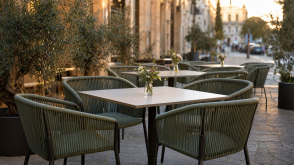

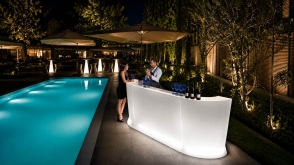

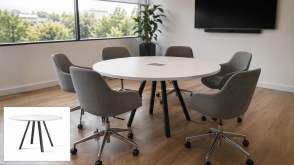




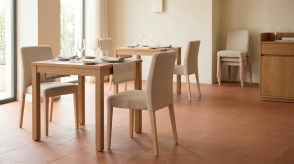



Lorem Ipsum is simply dummy text of the printing and typesetting industry. Lorem Ipsum has been the industrys standard dummy text ever since the ...
FIlter (542 products)
Approved and Certified Products
Filter
277 products
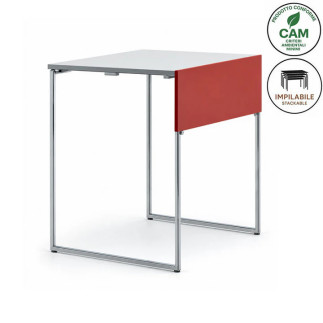

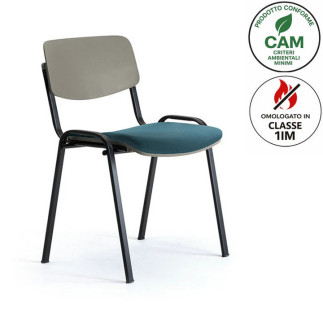
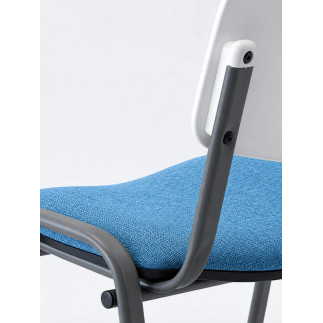
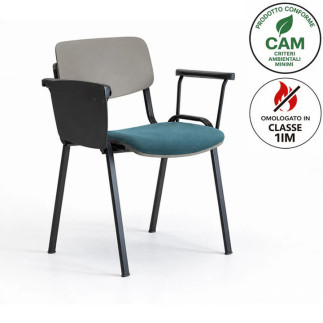
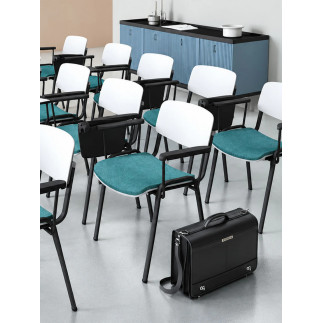
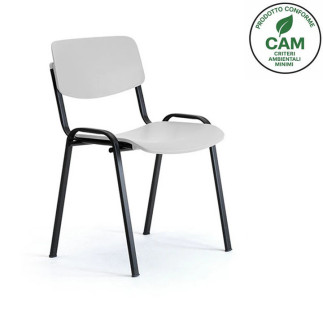
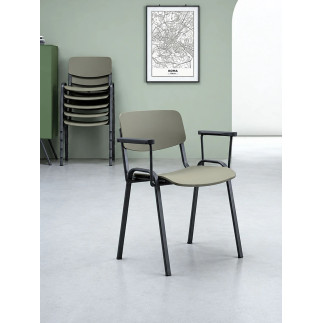
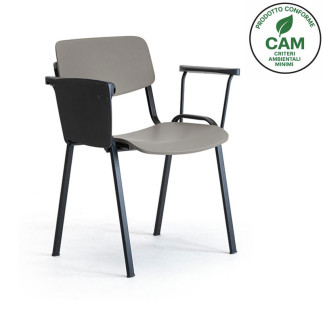
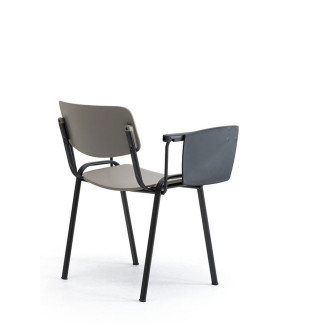
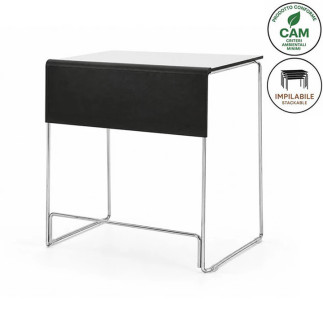
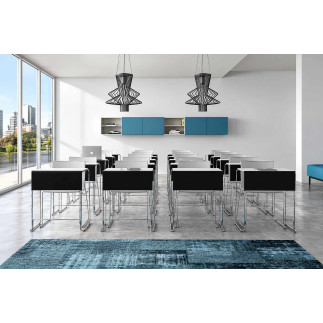
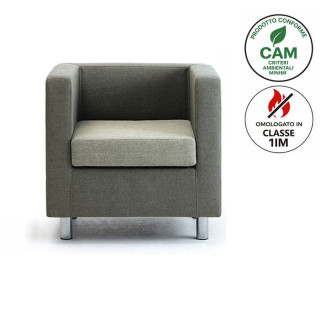
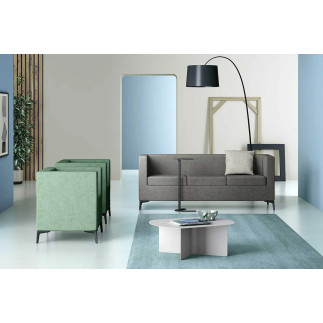
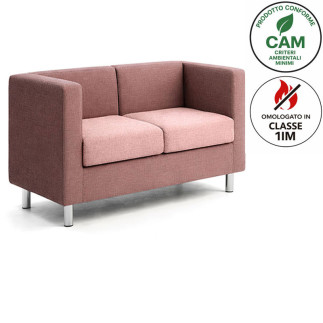
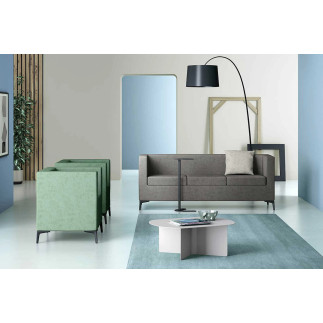
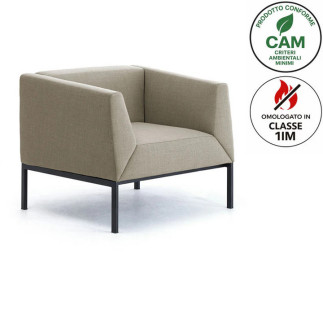
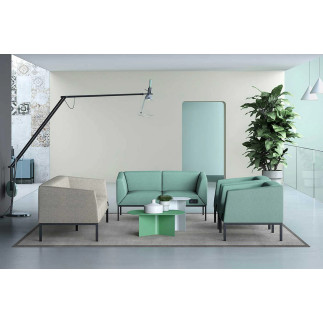
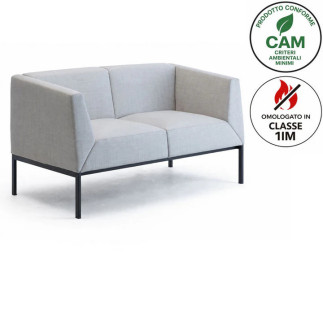
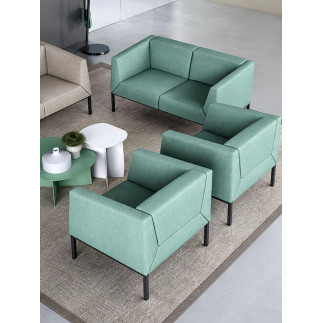
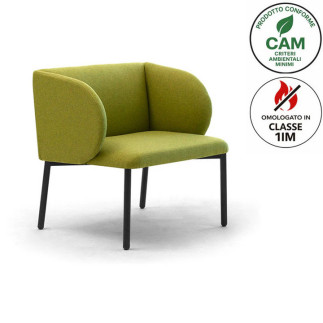
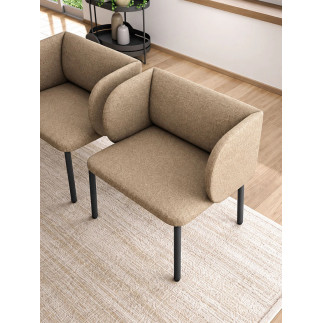
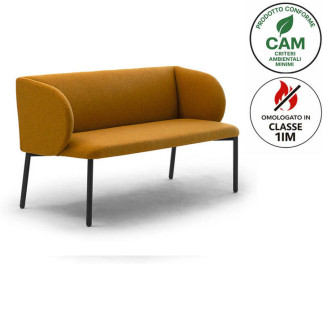
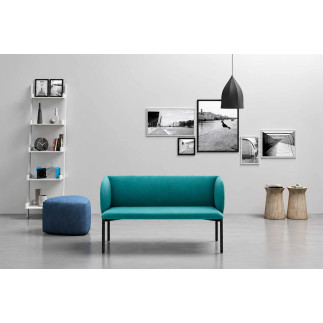
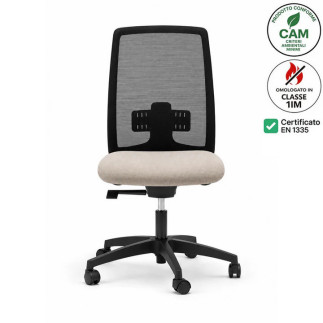
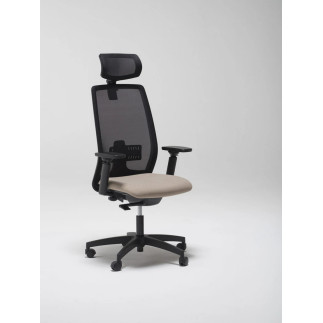
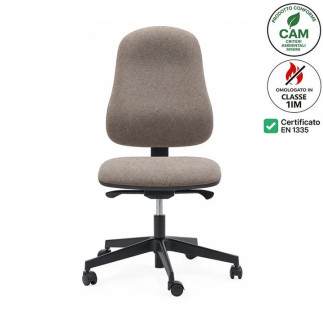
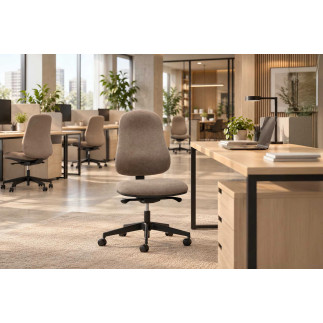
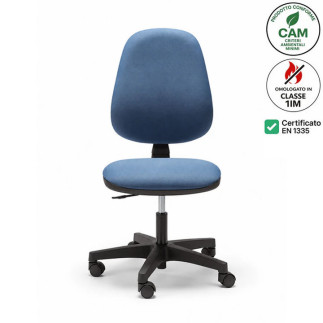
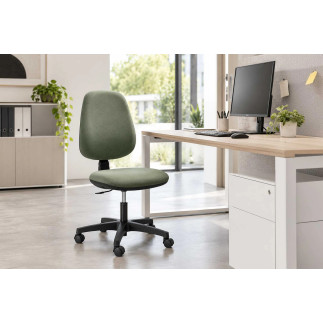
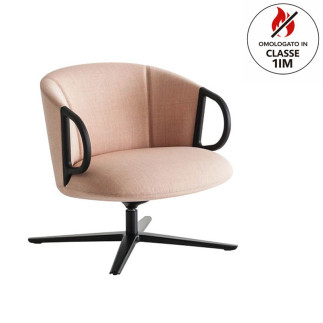
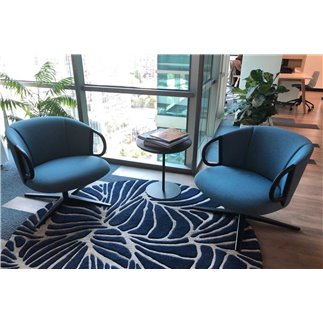
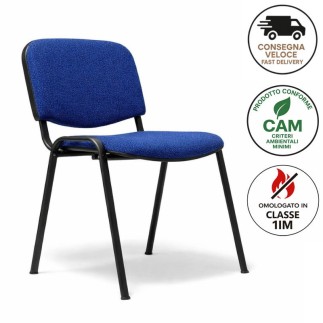
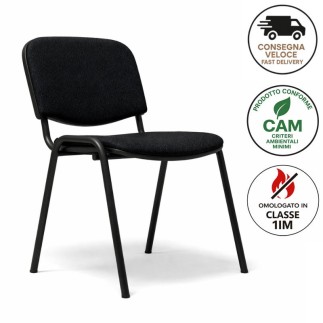
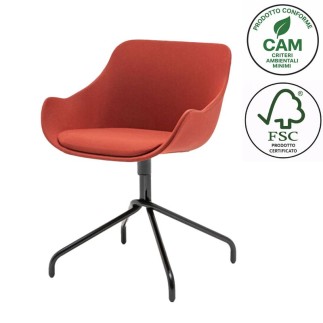
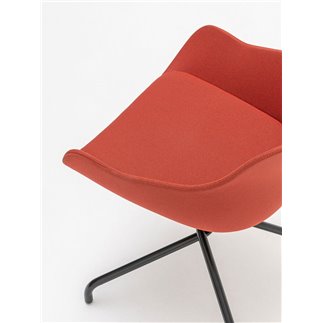
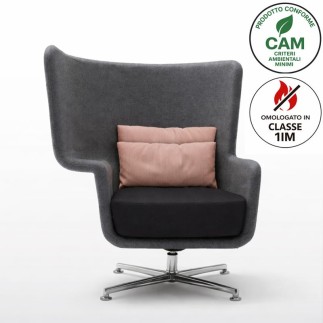
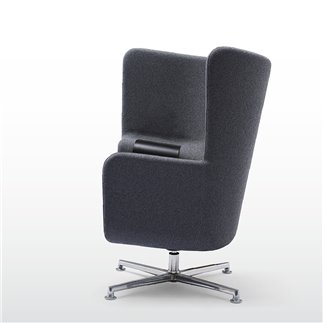
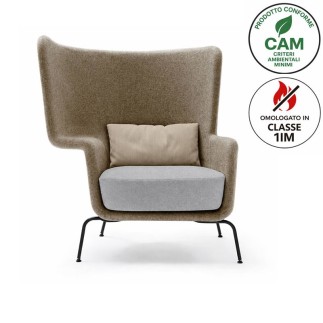
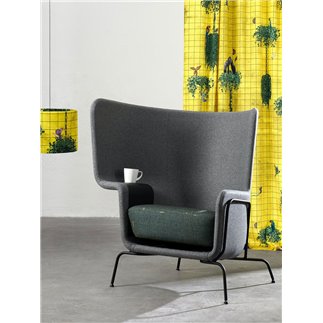
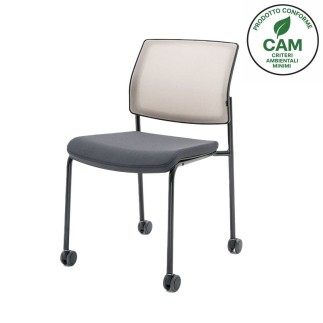
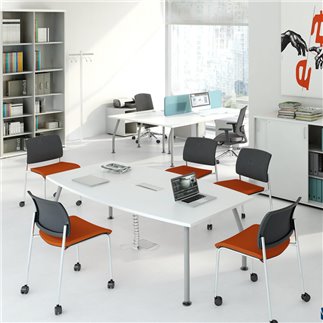
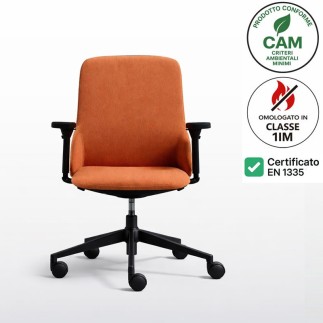
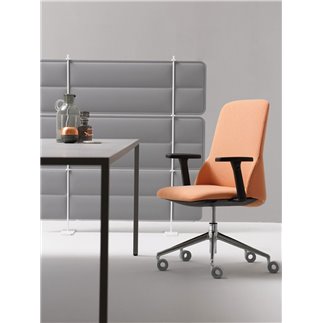
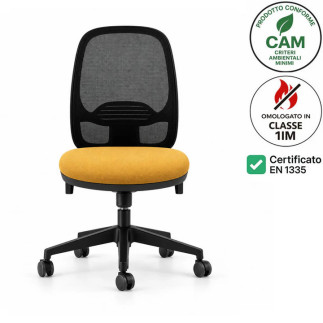
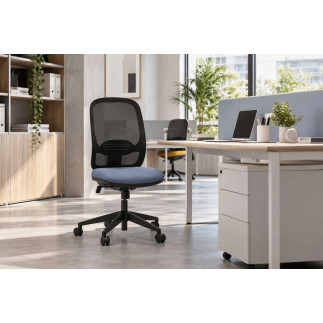
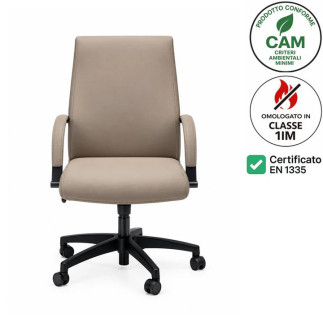
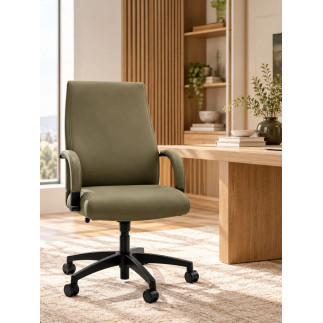
Approved and Certified Products for Public and Contract Environments
Approved and certified products are not merely a regulatory requirement, but a strategic choice that directly impacts safety, sustainability, design quality, and long-term reliability.
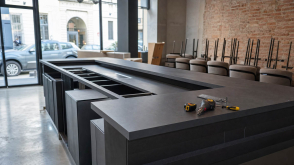
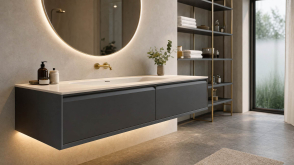
This category features a curated selection of certified designer furniture, created to meet the needs of the HoReCa sector, contract projects, public administrations, offices, and high-traffic public spaces.
The products selected by Isarreda and included in this category are distinguished by nationally and internationally recognized certifications—an essential requirement for participation in public tenders, procurement procedures, and complex projects.
In this category you will find:
-
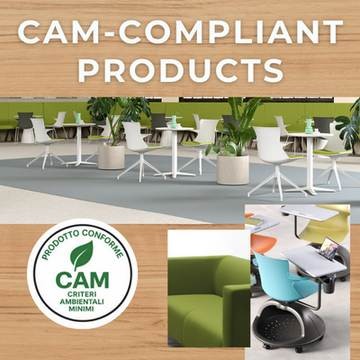
Furniture compliant with CAM requirements for public tenders and sustainable projects
-
Products with Class 1IM Ministerial Approval for fire reaction
-
Furniture tested and certified by CATAS for strength and safety
-
Wooden components with FSC certification
-
Products with EPD certification
-
ICMQ-certified solutions
CAM Compliance: Minimum Environmental Criteria
CAM-Compliant Furniture for Public Procurement and Contract Environments
The Minimum Environmental Criteria (CAM) are one of the key regulatory pillars for Public Administration procurement. They are defined by the Italian Ministry for the Environment with the aim of reducing the environmental impact of public supplies.
In the furniture sector, CAM compliance is now mandatory to participate in public tenders and procurement procedures.
CAM-compliant furniture is designed by considering the entire product life cycle: from raw material selection and manufacturing to use and final disposal. This approach ensures the use of low-impact materials, reduced harmful emissions, and greater product durability.
Choosing CAM-compliant products means operating confidently in public contexts, ensuring regulatory compliance while actively supporting sustainable and responsible purchasing policies.
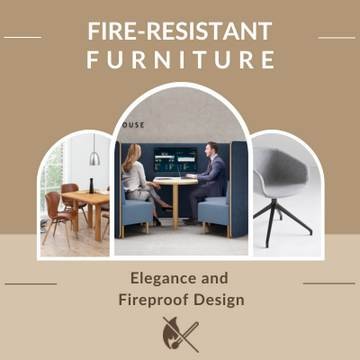
Class 1IM Ministerial Approval: Fire-Retardant Furniture
Certified Fire-Retardant Furniture for Public and HoReCa Environments
Class 1IM ministerial approval certifies the fire reaction of upholstered materials in accordance with current Italian regulations. It is an essential certification for all public-access spaces, where people’s safety is a non-negotiable requirement.
Class 1IM-certified furniture is designed to limit ignition and flame spread, reducing risks in the event of a fire. This certification is explicitly required for hospitality facilities, public venues, offices, schools, hospitals, and shared spaces.
Integrating certified fire-retardant furniture means complying with fire safety regulations while providing safer environments without sacrificing design and comfort.
It is important to clarify one point here: fire-retardant does not mean non-combustible. A piece of furniture approved as Class 1IM is combustible, but it has passed laboratory tests demonstrating excellent resistance to ignition.
CATAS Certification
Furniture Tested for Strength, Safety, and Intensive Use
CATAS certification is one of the most authoritative in Europe within the furniture sector. Tests conducted by CATAS—the leading Italian laboratory specializing in testing, research, and certification for the wood and furniture industry—rigorously assess mechanical strength, stability, safety, and durability.
For the contract and HoReCa sectors, where furniture is subject to intensive and continuous use, CATAS certification provides a concrete guarantee of reliability.
Seating, tables, and accessories certified by CATAS ensure consistent performance over time, reducing the risk of premature wear and the need for extraordinary maintenance.
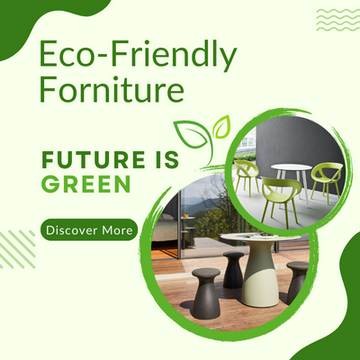
FSC Certification: Responsible and Sustainable Forest Management
FSC-Certified Sustainable and Traceable Wooden Furniture
FSC (Forest Stewardship Council) certification guarantees that the wood used comes from responsibly managed forests, respecting the environment, biodiversity, and local communities.
In public administration and contract furniture projects, FSC certification is often required in technical specifications and represents significant added value in terms of environmental sustainability.
EPD Certification
Environmental Product Declarations for Advanced Projects
The EPD (Environmental Product Declaration) is a voluntary environmental declaration based on scientific Life Cycle Assessment (LCA) analyses, verified by independent third parties.
This certification provides objective and comparable data on a product’s environmental impact throughout its entire life cycle, including material, water, and energy consumption. It is particularly valued in complex public projects and sustainable architecture contexts, where environmental transparency is essential.
The availability of EPDs simplifies the work of designers and contracting authorities by offering clear, reliable information to support design decisions.
ICMQ Certification: The Reference Body for Quality, Safety, and Sustainability
Certified Quality and Compliance with Technical Requirements
ICMQ certification attests that products comply with relevant technical and regulatory requirements, ensuring control of production processes and consistent quality over time.
In the public and contract furniture sectors, ICMQ—an independent certification body—provides concrete protection for those working with strict specifications and rigorous verification procedures.
Relying on ICMQ-certified products means reducing the risk of non-compliance and ensuring reliable, controlled, and fully documented supplies.
Approved and Certified Products: A Safe Choice for Your Spaces
Approved and certified products are designed and manufactured to provide maximum peace of mind for designers, technical offices, buyers, and procurement managers.
Each solution combines design, regulatory safety, and sustainability, meeting the real needs of professional and public environments.