



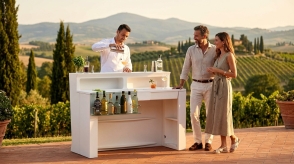
Lorem Ipsum is simply dummy text of the printing and typesetting industry. Lorem Ipsum has been the industrys standard dummy text ever since the ...
FIlter (2867 products)


Filter
127 products
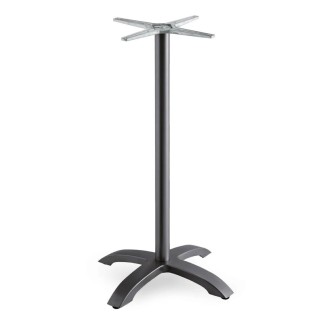
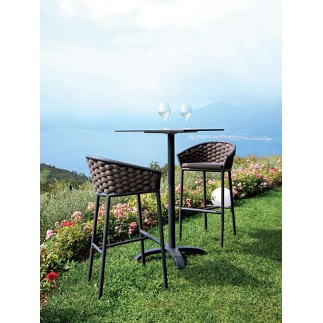
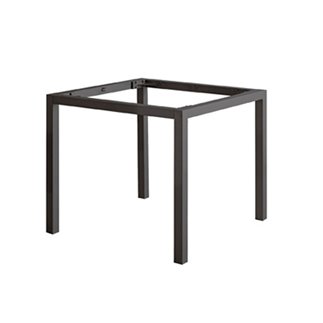
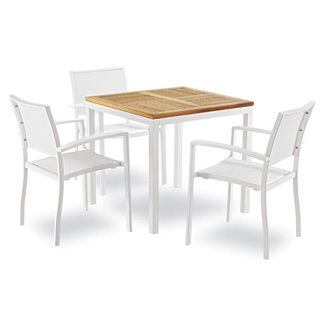
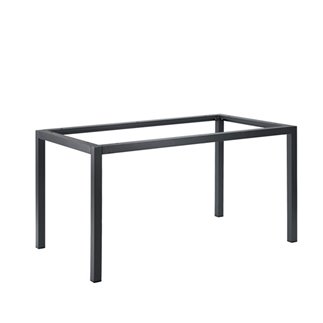
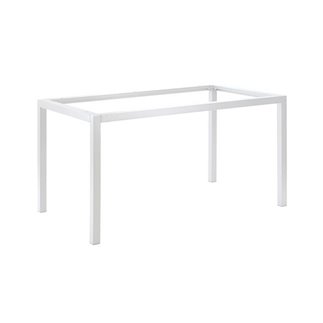
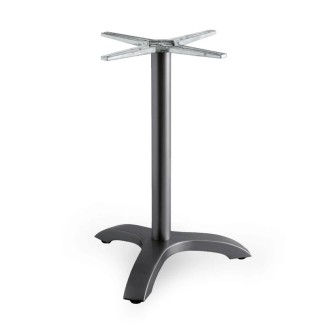
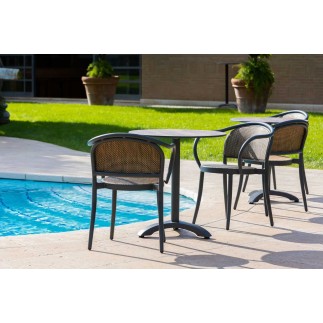
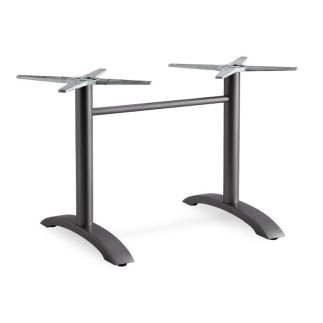
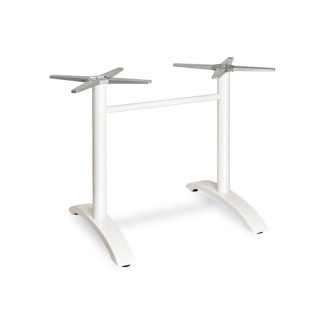
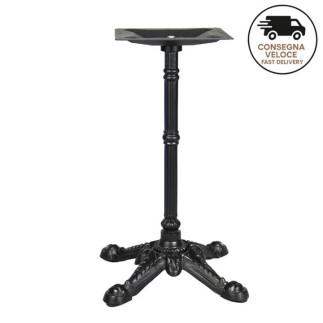
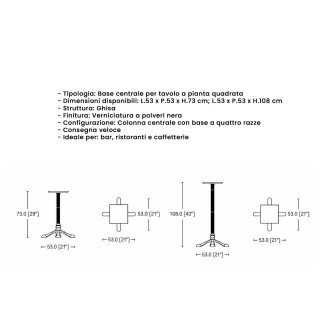
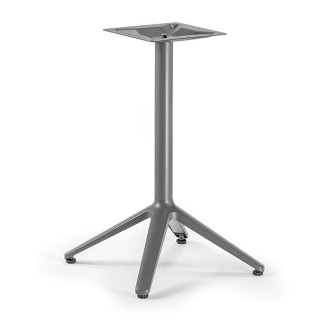
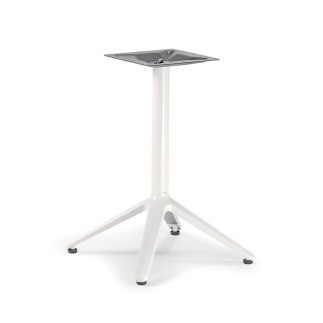
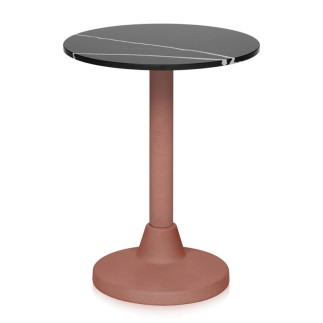
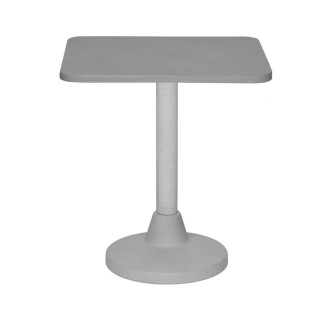
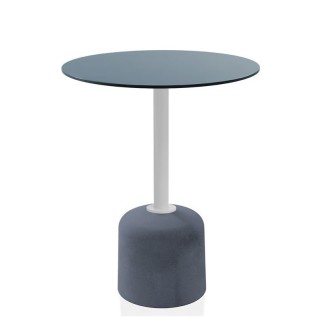
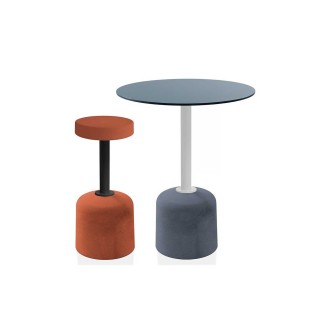
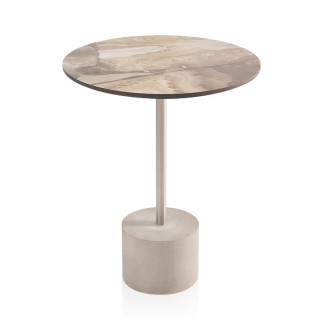
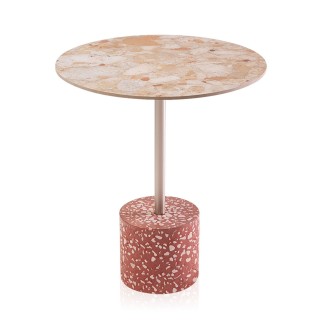


Table Bases for Bars, Restaurants, Hotels and Hospitality
Table bases for bars and restaurants allow you to create a table around the actual needs of the venue, selecting the base and tabletop separately according to height, size, style and intended use.
For a restaurant, bar, café or hotel, the base is not merely a structural element: it affects the stability of the table, the available legroom, the number of people who can be seated, the overall footprint and ease of everyday use.
Isarreda offers a wide selection of table bases for the Ho.Re.Ca. and hospitality sectors, available in different heights, shapes, materials, colours and finishes. The most common configurations include low bases around H.45/50 cm, standard H.73 cm bases and high H.110 cm bases, as well as double bases and models with a folding tabletop mechanism. Bases can be purchased separately or combined with a compatible tabletop, allowing architects, interior designers, restaurateurs and purchasing managers to create tables that coordinate with the overall design of the venue.
Why Choose Isarreda Table Bases?
• Three main heights: low bases H.45/50 cm, standard bases H.73 cm and high bases H.110 cm, depending on the model.
• Separate Base and Tabletop: the possibility to choose the structure and match it with the most suitable tabletop for the project.
• Double Bases: suitable for rectangular or large-size tabletops.
• Bases with Folding Tops: a space-saving solution for venues that frequently change their table layout.
• Indoor and Outdoor: bases for indoor settings as well as outdoor dining areas, terraces and exterior spaces.
Table Bases for Bars and Restaurants
Table bases for bars and restaurants are a flexible solution because they allow the table to be configured by selecting the structure and tabletop separately.
This system is widely used in the Ho.Re.Ca. sector because every venue has different requirements. A small bistro may need compact tables for two people. A restaurant may use square tabletops that can be placed side by side when necessary. A cocktail bar may alternate between standard-height and high tables while maintaining the same design family of bases.
The possibility of working separately with the base and top makes it possible to create a furnishing solution that better suits the size of the room, the number of seats, the style of the venue and frequency of use.
Why Purchase the Base and Tabletop Separately?
Purchasing the table base and tabletop separately offers greater design freedom compared with choosing a preconfigured table. The same base model can be combined with tabletops in different shapes, sizes and finishes. This makes it possible to maintain a consistent visual language even when using tables of different dimensions.
A restaurant, for example, can use the same base with a square tabletop for two or four people or with a rectangular tabletop for groups. A hotel can coordinate the breakfast room, bar and lounge by varying the table height and top without losing design continuity. However, compatibility between base and tabletop must always be checked: the dimensions, weight and shape of the tabletop must be suitable for the selected structure.
H.73 cm Table Bases for Restaurants and Bars
H.73 cm table bases are the most traditional configuration for dining tables intended for restaurants, pizzerias, bars and cafés. This height makes it possible to create a table suitable for use with standard chairs and works well in settings such as restaurant dining rooms, bistros, pizzerias, hotels and B&Bs.
H.73 cm table bases are an extremely versatile solution and, for this reason, one of the most widely used options in Ho.Re.Ca. furnishing projects.
High H.110 cm Table Bases
H.110 cm table bases are designed to create high tables for use with stools. They are particularly suitable for cocktail and wine bars, pubs, aperitif areas and rooftops. The increased height visually differentiates a traditional dining table from a more informal seating arrangement. In a bar, for example, high bases can be coordinated with H.73 cm bases from the same collection, maintaining consistent colours and finishes while creating two different ways of using the space.
Low H.45/50 cm Table Bases
Low table bases, generally around H.45 or H.50 cm, are suitable for coffee tables, lounges and relaxation areas. They are highly versatile and can be used in lounge bars, reception and waiting areas, as well as indoor and outdoor relaxation spaces.
Low bases make it possible to coordinate lounge tables with dining or high tables while maintaining the same design.
High, Standard and Low Bases: Creating a Coordinated Project
One of the main advantages of selecting table bases in different heights is the possibility of creating different functional areas while maintaining the same visual style. Within a hotel, for example, one family of bases can be used as follows: H.50 cm bases in the lounge area, H.73 cm table bases in the restaurant and high H.110 cm table bases in the bar.
The same principle can be applied to a cocktail bar, resort or restaurant with an aperitif area. The result is a more cohesive environment in which the function changes without interrupting the stylistic language of the project.
Table Bases with Central Columns
Table bases with central columns are widely used in the restaurant sector. Compared with a traditional structure featuring four legs positioned at the corners, a central column can provide greater freedom when arranging chairs. This is particularly useful for compact tables designed for two or four people. The floor base can be round, square or feature a multi-leg design, such as those commonly found in bistro-style bases.
Double Bases for Rectangular Tables
As the size of the tabletop increases, a single central base may no longer be sufficient. Double table bases are designed to support rectangular tops or larger surfaces. They are particularly useful in restaurants, hotels, breakfast rooms, bistros and informal meeting areas.
Although a double base distributes support over a larger area, it is essential to follow the manufacturer's instructions regarding the maximum dimensions and weight of the tabletop.
Bases with Folding Tops
Table bases with folding tops meet a very practical requirement in the Ho.Re.Ca. sector: freeing up space quickly. A mechanism underneath the tabletop allows the top to be moved into a vertical position, reducing the overall footprint of the tables when they are stored close together.
The main advantage is operational: the room can be reconfigured more quickly during cleaning, between services or whenever more free floor space is required. For this reason, a folding top should not be considered merely as a technical detail, but as a practical tool for improving the daily management of the venue.
Cast Iron Table Bases
Cast iron is one of the materials traditionally used for restaurant and bar table bases. Its weight contributes to creating solid structures and it is often used for central-column bases. Cast iron bases can be combined with tabletops made from other materials. When selecting the tabletop, it is important to consider the weight and dimensions of both the base and the top, as well as their intended use.
Steel Table Bases
Steel table bases are widely used in contemporary interiors. Steel makes it possible to create structures with clean lines and can be offered in different finishes and colours. It is used for all types of bases: central, high, double and folding-top models.
Finishes should also be evaluated in relation to the intended use: a version designed for indoor environments is not automatically suitable for outdoor use.
Aluminium Table Bases
Aluminium is particularly interesting when looking for a good balance between durability and ease of handling. Isarreda offers H.73 cm aluminium bases designed for the bar and restaurant sector. In outdoor table bases, aluminium is also frequently used in outdoor dining areas and terraces.
Outdoor Table Bases
Outdoor table bases are designed for restaurant and bar terraces, outdoor dining areas, rooftops or poolside spaces. The fact that a base is made of metal does not automatically mean that it is suitable for outdoor use. The type of metal, corrosion resistance, weather resistance and required maintenance must all be considered.
The Isarreda catalogue includes bases specifically designed for outdoor use, including solutions from brands such as Gaber, Grattoni and Scab Design.
Indoor Table Bases
For indoor environments, table selection can focus more closely on style, dimensions and coordination with the overall design. Restaurants, bistros and hotels can choose painted or chrome-plated bases according to the concept of the venue. In an elegant dining room, the base can become a visually important element. In a high-turnover venue, simplicity, stability and ease of maintenance may instead take priority. The best solution therefore depends on how the table will actually be used.
Base Stability and Tabletop Size
One of the most common mistakes when configuring a table is choosing the base and tabletop separately from an aesthetic point of view without considering the structural relationship between the two. The size of the base must be proportionate to the tabletop. A tabletop that is too large in relation to the base may compromise the stability of the table. For this reason, table bases are often supplied with recommended maximum tabletop dimensions, which vary according to the height of the base and the size of the floor plate.
Before purchasing, it is therefore important to always check the dimensions, weight and material of the tabletop, as well as the height of the base.
Quality of Table Bases for Intensive Use
A restaurant table base is subject to much more frequent use than the base of a standard domestic table. A table base may be moved several times during the day, cleaned frequently and combined with other tables.
The goal is not only to create an attractive table, but to develop a configuration that is reliable for everyday use.
EN 15372: The Standard for Non-Domestic Tables
For tables intended for bars, restaurants, hotels and other non-domestic environments, the relevant European standard is EN 15372. CATAS refers to EN 15372 for non-domestic tables and specifies that the applicable standard depends on the intended use of the table.
The standard covers aspects related to safety, strength and durability. However, an important distinction must be made: compliance applies to the table in the configuration that has been tested, not automatically to any base purchased separately. Therefore, when a specific certification is required, the documentation relating to both the product and the base + tabletop configuration must be checked.
Table Bases and Reaction to Fire
Reaction to fire requires particular attention in projects intended for hotels and environments subject to fire-safety regulations. Under the traditional Italian classification system, Class 0 identifies non-combustible materials. This concept may be relevant to non-combustible metal components, but it is preferable not to automatically classify any metal base as “Class 0” without checking the material, composition, coatings and applicable documentation.
Table Bases for Hotels
In a hotel, table bases can be used in a wide range of settings: breakfast rooms, restaurants, bars, terraces, rooftops and event areas.
Bases available in different heights make it possible to maintain design continuity across different functional areas. A low base can be used in the lounge, an H.73 cm base in the restaurant and an H.110 cm base in the bar. For venues that frequently change their layout, bases with folding tops can also simplify space management.
Table Bases for B&Bs and Hospitality Facilities
B&Bs, agritourism properties, aparthotels and holiday homes can also benefit from configuring the base and tabletop separately. When space is limited, correctly selecting the size of the tabletop and the footprint of the base can improve the usability of a breakfast room or terrace.
The possibility of customising finishes and materials also makes it possible to coordinate the table with the character of the property, from contemporary B&Bs to more traditional agritourism settings.
Table Bases for Cafés and Bistros
In bars and cafés, the available space may be limited and guests may stay for relatively short periods. For this reason, central-column bases combined with compact tabletops are widely used. Choosing the right base makes it possible to use the available floor space more effectively, organise circulation and seating properly and maintain an appropriate number of covers.
In bistros as well, the possibility of combining different bases and tabletops makes it possible to create flexible and visually consistent layouts.
Table Bases for Cocktail Bars and Wine Bars
Cocktail bars and wine bars can make particularly effective use of bases available in different heights. H.73 cm bases can be used in areas with standard chairs, while high H.110 cm bases can be used to create seating with stools. Low table bases can complete a lounge area. By using the same product family, different settings can therefore be created without sacrificing visual consistency.
How to Choose a Table Base
Before choosing a table base, it is useful to answer a few questions.
• Which tabletop will be used? Dimensions, weight, material and shape determine the type of base required.
• What height is required? H.45 cm for lounges, H.73 cm for dining tables and H.110 cm for high tables are among the most common configurations.
• Where will it be used? Indoor and outdoor environments require different materials and finishes.
• How often will it need to be moved? If the table is moved frequently, it may be useful to consider weight, ease of handling and folding systems.
• How much space is available underneath the table? The shape of the base affects the available legroom and the arrangement of the chairs.
• Is the tabletop large or rectangular? A double base may be required.
Why Choose Isarreda for Your Project?
Choosing Isarreda for table bases for bars, restaurants and hotels means being able to build each table around the actual requirements of the project.
A restaurant can choose H.73 cm bases and combine them with tabletops in different sizes. A cocktail bar can use the same product family in both H.73 cm and H.110 cm versions. A hotel can coordinate its breakfast room, lounge and bar by using bases of different heights. An outdoor dining area can be furnished with bases specifically designed for exterior use.
The availability of central-column bases, double bases, low, standard and high bases, as well as models with folding tops, makes it possible to find a solution that meets both the aesthetic requirements and the everyday operational needs of the venue.
The main advantage is the possibility of choosing not a generic table, but a configuration designed around the available space, number of seats, intended use and identity of the project.